
The Role of Color Palettes in Seasonal Fashion Planning
Color palettes are fundamental tools in fashion planning, guiding designers, retailers, and consumers in creating cohesive seasonal collections. They consist of coordinated hues selected to evoke specific moods, reflect trends, or complement particular materials and silhouettes. In a seasonal way, color palettes help define a collection’s identity, ensuring that individual pieces work harmoniously together. By carefully selecting primary, secondary, and accent colors, designers create a visual narrative that aligns with the season’s aesthetic, cultural influences, and consumer expectations, shaping how garments are perceived and worn.
Influencing Consumer Perception and Mood
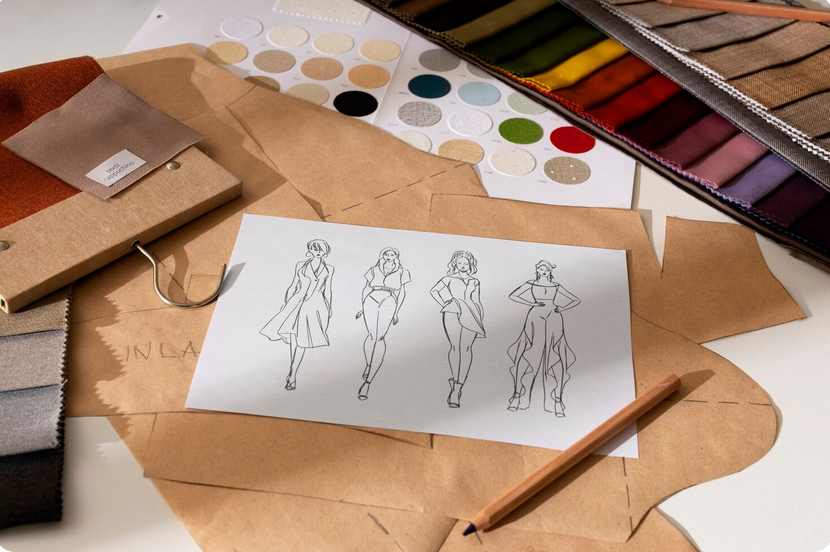 Color has a direct impact on consumer perception and emotional response, making it a critical factor in seasonal fashion planning. Warm tones may convey comfort and energy for fall collections, while cool tones evoke calmness and freshness for spring. Color palettes guide not only individual garment choices but also the overall impression of a collection, influencing purchase decisions. By strategically selecting hues that resonate with seasonal trends and psychological associations, fashion planners can create cohesive collections that appeal to consumer sensibilities and enhance brand engagement.
Coordinating Trends and Market Demands
Seasonal fashion planning relies heavily on forecasting color trends and anticipating market demand. Designers analyze fashion shows, cultural movements, and global color authorities to determine which palettes will resonate in the upcoming season. These predictions influence the selection of fabrics, accessories, and marketing materials, ensuring that the collection is both visually appealing and commercially viable. Color palettes act as a unifying framework, allowing designers to experiment within defined boundaries while maintaining alignment with consumer expectations and retail strategies.
Enhancing Styling and Wardrobe Integration

Color palettes also facilitate styling and wardrobe integration by ensuring versatility and coherence across pieces. When garments are designed with complementary or analogous colors, consumers can mix and match items more easily, extending the functionality of a seasonal collection. Retailers and stylists use palettes to create coordinated displays and promotional content, highlighting outfit combinations that simplify buyers’ decision-making. By establishing visual harmony, color palettes enhance usability, strengthen brand identity, and encourage repeat engagement across multiple seasons.
Supporting Creative Expression and Brand Identity
Beyond commercial considerations, color palettes are essential for expressing creativity and reinforcing brand identity. Designers use color to communicate themes, inspire emotional narratives, and differentiate their collections from competitors. Seasonal palettes allow designers to maintain a consistent aesthetic while experimenting with new shades or combinations that reflect innovation and artistic vision. By balancing trend responsiveness with originality, color planning ensures that collections are both relevant and distinctive, contributing to long-term brand recognition and consumer loyalty.
Color palettes play a central role in seasonal fashion planning by guiding design cohesion, influencing consumer perception, aligning with market trends, enhancing styling, and supporting brand identity. They provide a structured framework for creative decision-making while allowing designers to communicate mood, theme, and aesthetic innovation. By thoughtfully curating seasonal hues, fashion professionals can ensure collections are visually compelling, commercially relevant, and easily integrated into consumer wardrobes, demonstrating the profound impact of color on both design and market success.